
RAYPCB · ENGINEERING GUIDE
Industrial IoT Hardware: Design the Gateway for Offline Operation
Industrial IoT hardware connects equipment data to an operational service. A useful gateway must preserve the meaning and timing of that data while managing field interfaces, local storage, network identity and recovery. Its value is not established by a successful cloud connection alone. The installation still needs a defined behavior when the uplink is slow, unavailable or restored after an interruption.
This page focuses on the field-to-network gateway boundary. Use the storage worksheet to examine a declared outage scenario, then connect the result to retention and recovery decisions. For adding a monitoring node to existing production equipment, the IIoT manufacturing retrofit guide owns that separate deployment task.
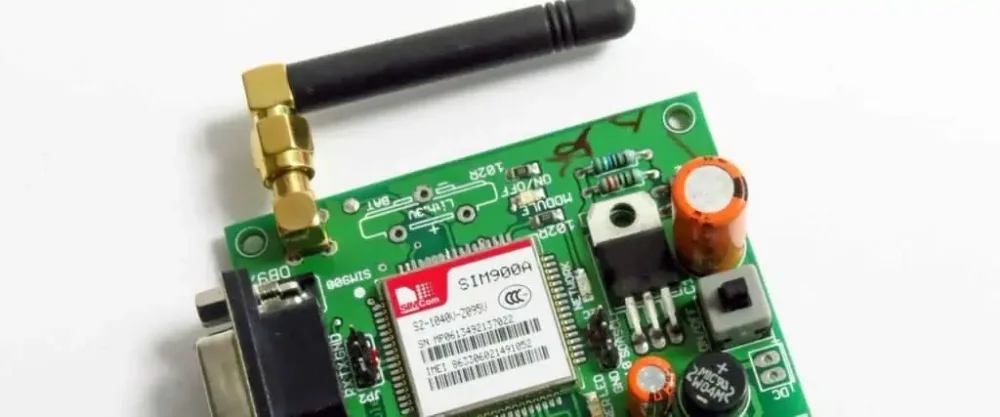
Map the field and network sides independently
Document every field interface with its electrical range, protocol, update rate and source of truth. A serial protocol label does not specify isolation, termination, common-mode behavior or cable installation. Identify which values originate in a machine controller and which are measured independently by the gateway.
On the network side, define the destination, authentication model and responsibilities for connectivity. Keep the local operational function separate from the remote service. If the gateway is intended only to observe equipment, preserve that read-only boundary in hardware, software configuration and the approved installation process.
Draw power, reference and service connections across the interface map. Programming cables, network shields or auxiliary supplies can create paths that were not obvious in a functional block diagram. Evaluate the actual isolation and grounding requirements at system level rather than assuming that an interface component makes the entire gateway isolated.
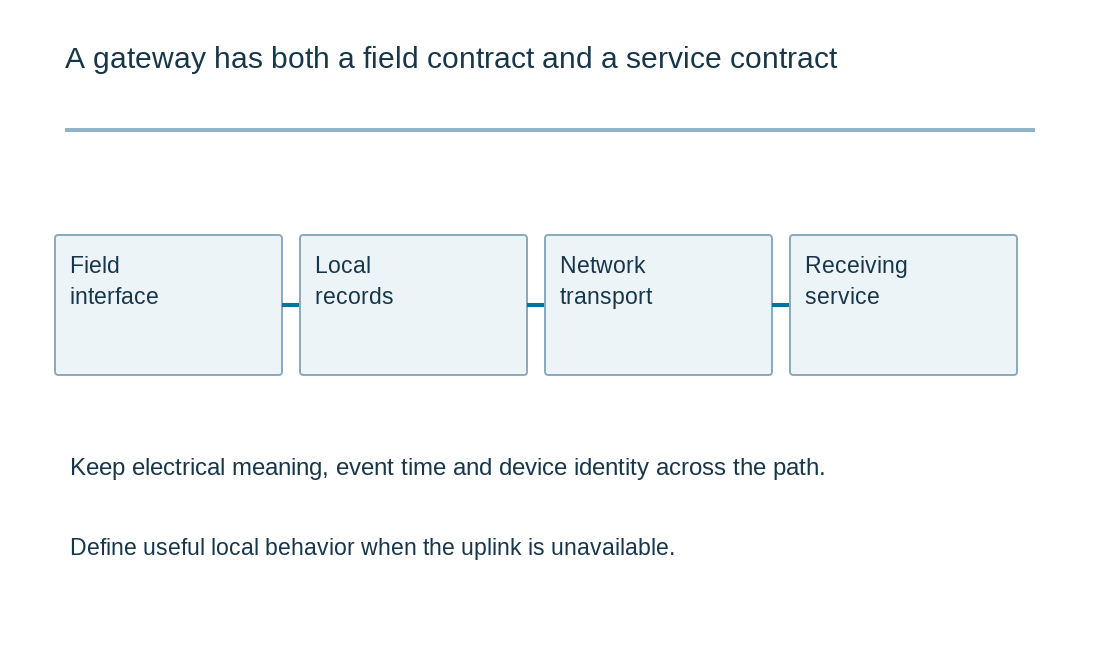
Specify what remains useful without a network
Decide which data must be retained, for how long and at what fidelity. Continuous raw samples, periodic aggregates and event records have different storage demands and diagnostic value. Choose the retained representation from the operational question, not merely from the largest available flash device.
State the policy when storage reaches its limit: stop collecting, overwrite a defined oldest region, reduce sampling under an approved rule or report loss. Each policy changes what a later analyst can conclude. A dashboard should distinguish missing data from a measured zero and delayed data from current information.
Identify whether the device continues any local function during an outage. A monitoring gateway should not acquire an undocumented control role simply because remote communication is absent. Where local actions are part of the product, assign their requirements and verification separately from telemetry transport.
| Review item | What to establish |
|---|---|
| Interface ownership | Field electrical contract, read-only boundary and network responsibility. |
| Retention | Record format, outage duration, usable bytes and full-storage policy. |
| Restoration | Backlog drain, ordering, duplicates and event-time meaning. |
| Lifecycle | Provisioning, update, service replacement and credential handling. |
| Verification | Controlled outages, power interruption and representative installed traffic. |
Offline telemetry storage budget
Offline telemetry storage budget
Use the current inputs and keep the assumptions
Load the example to see the units and record format, then clear it before entering your own revision. Example values are illustrative and do not select components or establish acceptance limits. Every field needs an intentional value; a blank number is not treated as zero. For CSV input, retain the header and put one item on each row. Quoted cells can contain commas, but duplicate headers and malformed rows are rejected.
Generate a result only after checking the measurement boundary, operating condition and units. Editing an input invalidates the old result and disables its download until you calculate again. An edited example stays labeled as an example. The report is created locally; it does not upload a design, send an enquiry or populate the Contact form. Attach it manually if it helps explain a requirement. You can contact RAYPCB without completing the tool.
| Input | What to establish before using it |
|---|---|
| Review reference | Use a nonconfidential revision label. |
| Incoming payload · bytes/s | Payload after local processing, before storage overhead. |
| Guaranteed drain · bytes/s | Use zero for a fully unavailable uplink. |
| Outage / burst duration · ms | Constant-rate interval. Convert seconds to milliseconds explicitly. |
| Already occupied · bytes | Data retained at start. |
| Usable storage · bytes | Exclude filesystem overhead, protected regions and reserved capacity. |
Calculate the storage interval with explicit rates
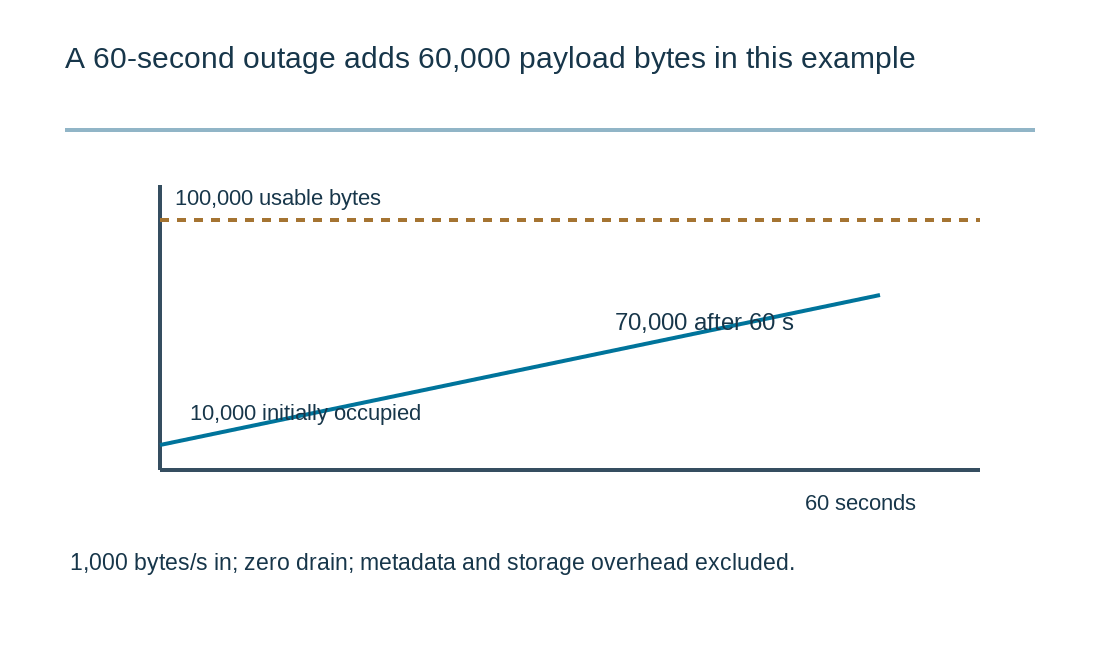
The worksheet compares incoming payload, guaranteed drain, outage duration, occupied storage and usable capacity. For a fully unavailable uplink, enter zero drain. With 1,000 bytes/s arriving for 60 seconds and 10,000 bytes already occupied, the simple constant-rate example reaches 70,000 bytes. Against 100,000 usable bytes, 30,000 bytes remain.
Usable capacity is not the flash component's marketing capacity. Exclude protected regions, filesystem overhead and the reserves required by the actual implementation. Include timestamps or metadata in the incoming rate if they occupy the retained record. The worksheet does not infer compression, wear leveling, indexing or replication.
The duration input is in milliseconds: the 60-second example uses 60,000 ms. Check units before comparing a result with a real log. If records arrive in bursts, a constant average can conceal short-term overflow. Evaluate the relevant burst or use an implementation-level queue model and measured traffic.
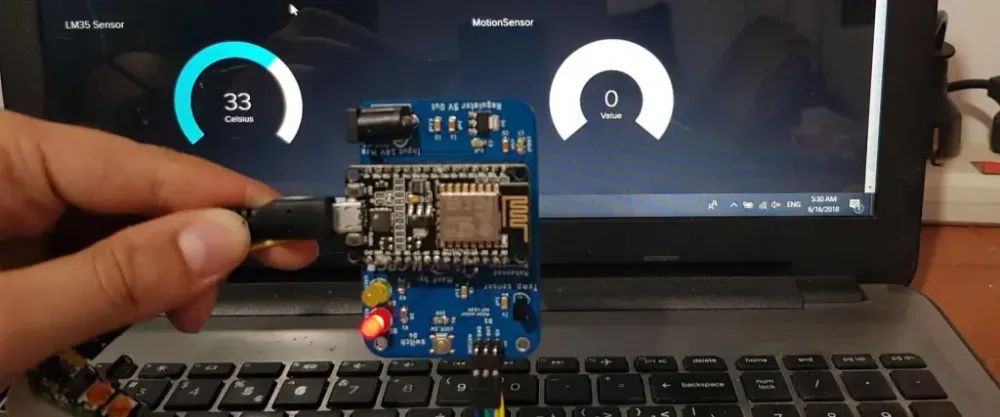
Design restoration as deliberately as the outage
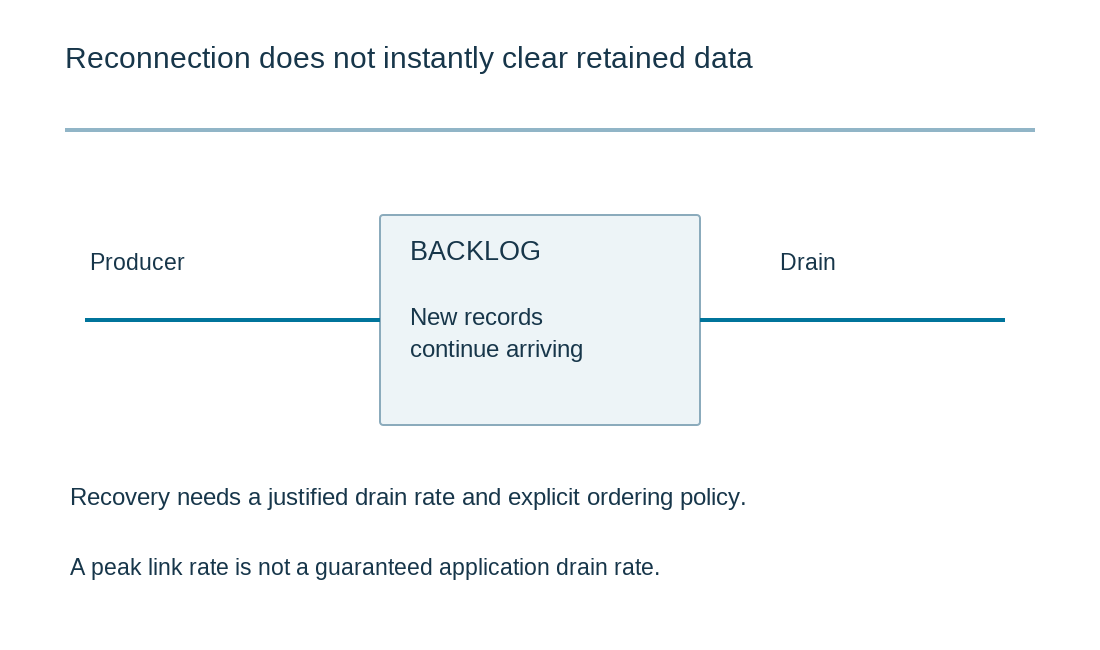
When the connection returns, new data may arrive while the backlog is being sent. The drain rate must be sufficient for the chosen recovery objective under actual network and service conditions. Do not claim the backlog will clear merely because a peak link rate exceeds the average producer rate.
Define ordering, duplicate handling and the relationship between event time and receipt time. Retries can deliver the same record more than once. Sequence identifiers or another explicit policy can help the receiving service recognize this condition, but the implementation must be tested with interrupted transfers and restarts.
Keep the device clock's behavior visible. A timestamp can look precise while its reference is unavailable or has changed after reboot. Record the source of time and any quality indicator needed by the application. The device health-monitoring guide distinguishes connectivity, freshness and useful operation so recovery can be observed rather than assumed.
Protect identity and maintenance throughout the lifecycle
Assign responsibility for device identity, configuration, access control and software updates. Use the exact provisioning workflow selected for the product. AWS documentation provides examples of different provisioning responsibilities, while NIST's capability baseline helps organize device requirements; neither establishes that a particular gateway is secure or certified.
Keep secrets outside ordinary manufacturing notes and public worksheets. The production process should receive only the access needed for its agreed task, through a controlled arrangement. Define what happens when a device is replaced, transferred or retired so a serial number alone does not become an unmanaged access credential.
For firmware and recovery architecture, continue to IoT embedded systems. An update mechanism must fit the actual memory, power and restart behavior. A remotely reachable gateway is not maintainable if an interrupted update leaves no supported recovery path.
Verify the installed behavior and prepare the build
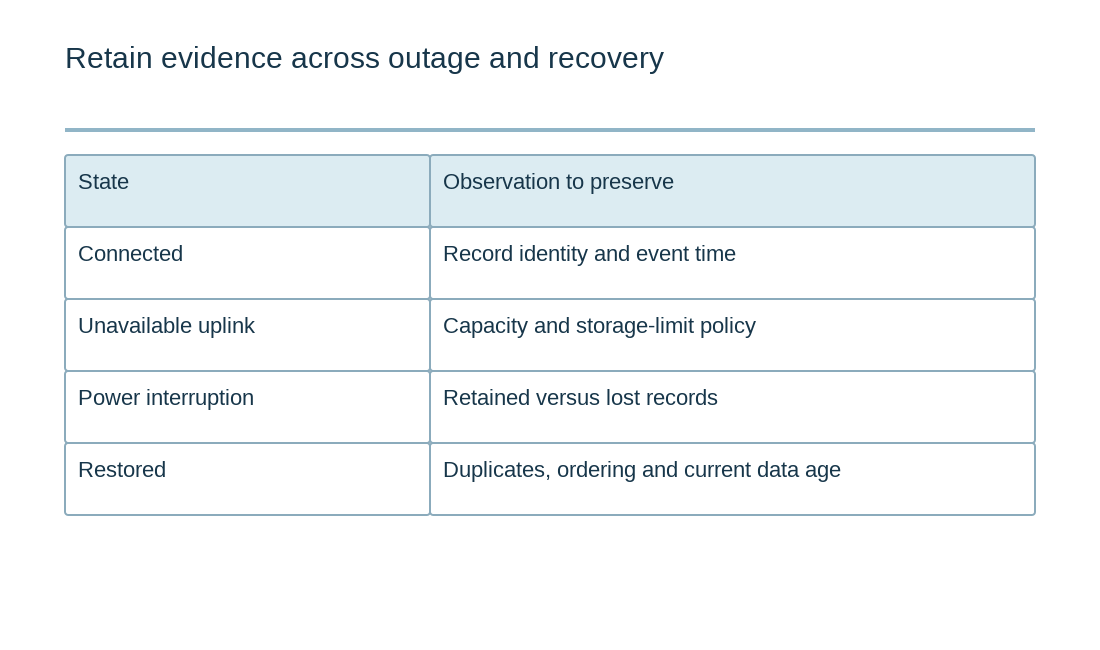
Test representative field traffic with the actual interface, storage format and network configuration. Include a controlled outage, storage-limit condition, power interruption and restoration sequence. Retain the hardware, firmware and service versions with the observations. A short bench demonstration cannot establish all installation conditions.
For fabrication and assembly, provide the board files, exact modules, antenna or cable arrangement where relevant, programming requirements and agreed tests. State what the manufacturing fixture can observe and what remains part of field integration. Do not describe a generic communication check as end-to-end service validation.
A useful RAYPCB enquiry names the gateway boundary, expected data profile and the unresolved manufacturing or interface question. The local storage report can explain an assumption without uploading the project. The next decision should be tied to retained data quality and recoverable operation, not to a generic promise of uninterrupted connectivity.
Separate a connected device from a dependable service
A network connection is only one state of the product. Specify first installation, ordinary operation, unavailable network, expired or replaced credentials, firmware recovery and transfer to another owner. Record what the local device continues doing and which data remain meaningful in each state.
Measure power and communication activity over a representative sequence rather than only an idle interval. Keep operational measurements distinct from production test records and security credentials. For a manufacturing handoff, identify the firmware image, identity assignment responsibility, required test network and cleanup state after testing. Customer acceptance should follow useful behavior, such as retaining valid data or recovering a defined function, rather than a display merely saying connected.
Standards, source context and limits
Use the exact device, system and material documents relevant to the released design. A public reference design demonstrates a particular implementation under its stated conditions; changing its parts, layout, enclosure or firmware creates a different verification task. Standards summaries here identify the type of evidence to request, not every clause of a licensed standard. Component qualification, board workmanship, product validation and regulatory acceptance are separate decisions.
For fabrication scope and the agreed construction requirements, see PCB manufacturing.