RAYPCB · ENGINEERING GUIDE
Silicone Conformal Coating: Material Selection and Process Limits
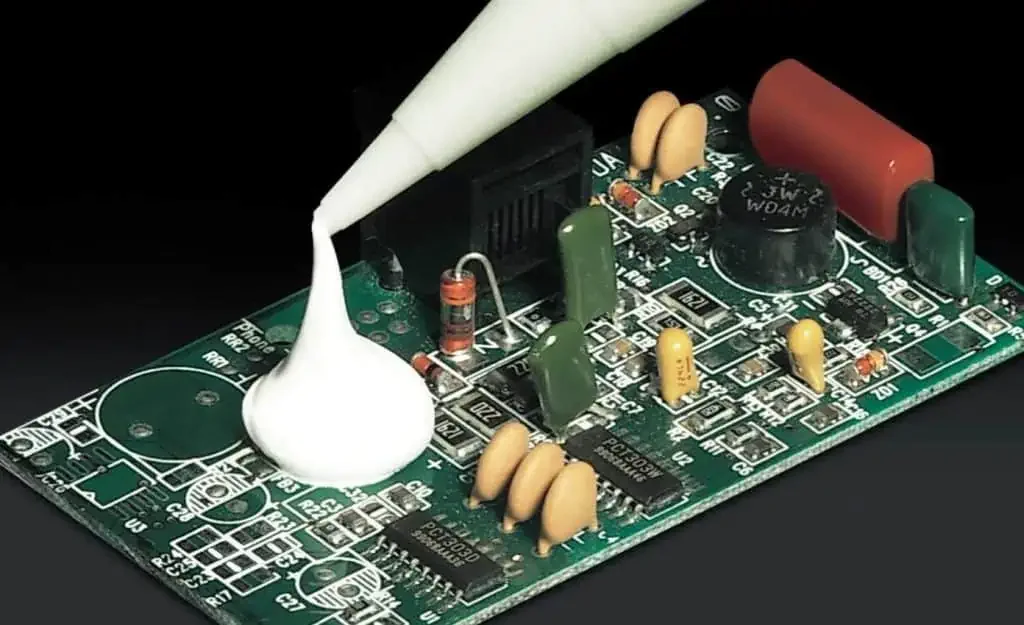
Silicone conformal coating is a material family used to protect electronic assemblies where its particular flexibility, thermal behavior and environmental properties suit the application. Products within the family differ in cure mechanism, viscosity, hardness, solvents and processing requirements. Silicone is therefore a starting category, not a complete specification.
This page helps compare exact products and their implications for manufacturing. The worksheet records a compatibility review. It does not select a resin from temperature alone or claim that every silicone coating has the same performance.
Begin with exposure and service needs
Identify moisture, contamination, temperature cycling, chemicals, mechanical conditions and expected maintenance. Specify the electrical functions that are sensitive to leakage or contamination. The actual environment determines which material properties need verification.
Use the coating decision guide if the need for coating is still uncertain. Selecting silicone before establishing the exposure can obscure alternatives such as enclosure improvements, different connector protection or a revised cleaning process.
Silicone material compatibility brief
Silicone material compatibility brief
Use the current inputs and keep the assumptions
Choose the engineering question before entering numbers. Fields begin blank. Load example fills teaching values so you can understand the model; those values are not recommended dimensions, process settings or market prices. The example label remains visible after edits. Reset before preparing a record based entirely on your own project data.
Use the displayed units and keep a reference for each input. Counts must describe the same scope, and measurements must share the declared conditions. A threshold entered by you remains your supplied review condition. The website does not turn it into an IPC limit or an approved product requirement. If the necessary value is unknown, obtain the evidence rather than replacing it with an attractive assumption.
Read the result and its limitations together. An access fraction is not fault coverage, a cost allowance is not a quotation, and a completed evidence checklist is not a safety or quality approval. Negative margins remain visible where the model permits them. They identify a conflict in the entered scenario rather than silently adjusting the result.
Changing an input invalidates the result and disables its download until you run the tool again. The text record contains the inputs, result and limitations. Processing stays in your browser; no CAD files, instruments or certificates are read. No data is automatically transferred to the enquiry form. Download and attach the record manually if useful, or contact RAYPCB directly without completing the tool.
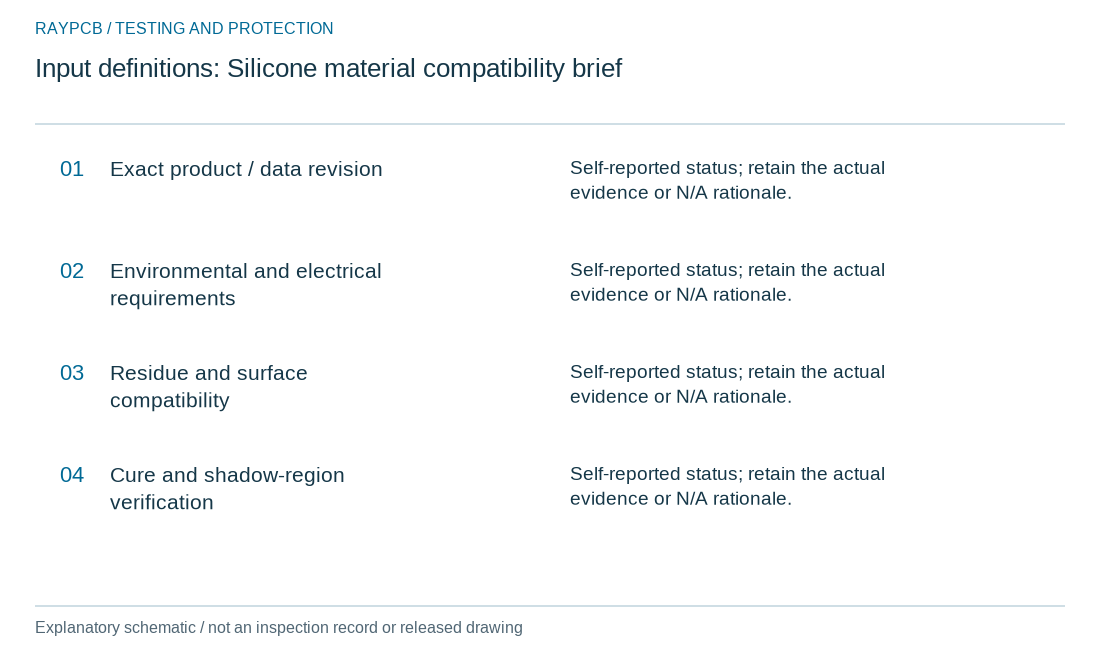
| Input | What to establish before using it |
|---|---|
| Review reference | Use a nonconfidential revision or scope reference. |
| Exact product / data revision | Self-reported status; retain the actual evidence or N/A rationale. |
| Environmental and electrical requirements | Self-reported status; retain the actual evidence or N/A rationale. |
| Residue and surface compatibility | Self-reported status; retain the actual evidence or N/A rationale. |
| Cure and shadow-region verification | Self-reported status; retain the actual evidence or N/A rationale. |
| Service access / rework compatibility | Self-reported status; retain the actual evidence or N/A rationale. |
| Next action / record reference | Use a nonconfidential reference; this tool does not verify the record. |
Optional cost comparison from your own allowances
Use a quotation or a clearly labeled internal assumption for each input. Keep the quantity, construction and inspection scope the same when comparing alternatives. This uncalibrated planning model adds entered values; it contains no current market rates and does not issue a RAYPCB quotation. You can contact the team without completing it.
Entered process and verification budget
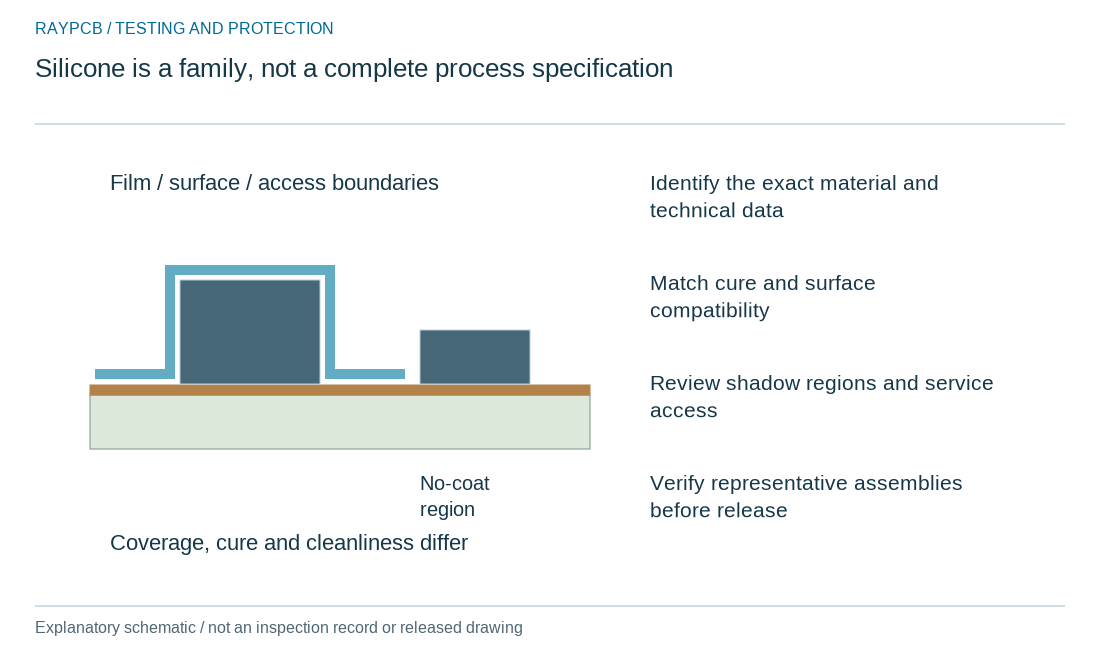
Compare exact technical data
Read the current technical and safety data for the proposed product. Record cure route, application range, storage, material compatibility and the test methods behind claimed properties. Do not compare values from different methods as though they were interchangeable.
Some products use moisture or heat-related cure routes; others use light and a secondary mechanism. Shadowed locations and assembly geometry can therefore matter. Confirm the actual product rather than applying a generic silicone cure schedule.
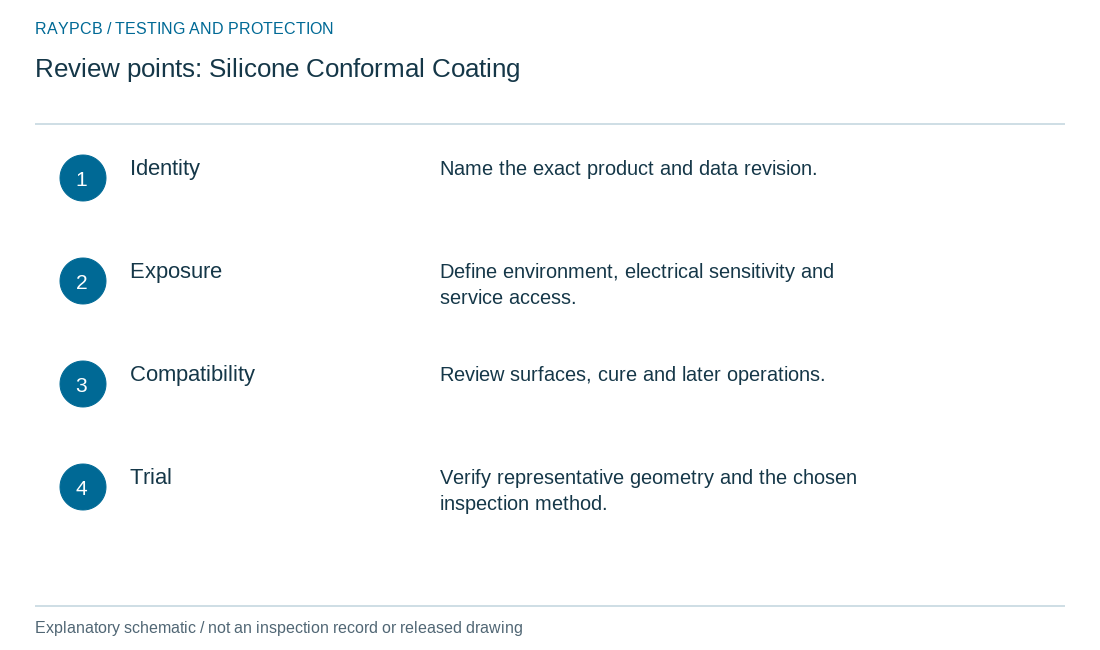
| Review item | What to establish |
|---|---|
| Identity | Name the exact product and data revision. |
| Exposure | Define environment, electrical sensitivity and service access. |
| Compatibility | Review surfaces, cure and later operations. |
| Trial | Verify representative geometry and the chosen inspection method. |
Review surface and cure compatibility
Residues, component materials and prior processing can affect the selected coating. Qualification should use a representative assembly or suitable specimens with relevant surfaces. A successful result on clean flat glass is not a complete demonstration for a populated board.
The PCBA coating process covers preparation, masking, application and verification. Keep the material review connected to that workflow so the chosen product can actually be manufactured and inspected.
Define the film requirement
Specify where and how thickness is evaluated and which features must remain uncoated. A nominal coating thickness without a location or method can lead to inconsistent interpretations. Component edges, tall packages and narrow gaps may produce local differences.
Do not assume a thicker film is always better. Coverage, cure, stress, access and repair implications must be considered with the product requirement and material instructions. The worksheet records open questions instead of supplying a universal thickness.
Consider rework and adjacent processes
Silicone coating can affect later bonding, contact access or repair. Identify operations that occur after coating and verify compatibility. Keep handling and contamination controls suitable for the surrounding manufacturing processes.
Agree a product-specific removal and restoration method if repairs are expected. Material softness or removability does not alone establish that the underlying components and laminate will tolerate the operation.
Example: the same family, different production routes
An illustrative comparison includes a moisture-cure product and a light-assisted product with a secondary cure mechanism. Both are silicones, but their equipment, waiting time and shadow-area verification can differ. Comparing only material price per container misses these manufacturing consequences.
Use exact supplier data and a representative trial to compare the total route. The optional budget model accepts entered material/process and verification allowances; it is not a calibrated market-price engine.
Request a material and process review
Send the environmental requirements, assembly construction, proposed coating products, no-coat drawing, cleanliness process and repair needs. Identify which properties are mandatory and which remain negotiable. Request evidence for the actual material and assembly combination.
For the production service, continue to PCB assembly. Supplier documentation supports material selection, while the project agreement defines the approved product, processing scope and verification.
Questions to resolve before the next build
Are all silicone coatings soft and easy to repair? Products differ in hardness, cure and removal behavior. Read the exact documentation and validate the intended repair method on representative materials. Ease of removing the coating does not prove that components, labels or laminate will tolerate the operation. Keep the material identity and repair procedure together in the service record.
Can a material recognition establish product compliance? A material's documented recognition or test result has a defined scope and conditions. The assembled product, applied thickness, cure and use environment may require additional evaluation. Request the relevant documentation and review it against the project requirement. Do not turn a supplier's material claim into an unverified certification statement for the completed PCBA.
Qualify the material inside the complete process
Treat protection as a complete assembly process. The relevant chain begins with the product environment and continues through material selection, surface condition, application, cure, inspection and service. A strong result at one step cannot compensate automatically for an unresolved interface or an unsuitable surface at another.
Use a controlled drawing to connect design intent to manufacturing. Mark coated regions, no-coat zones, connectors, sensors, mating faces and future test access. Define how edges and difficult geometry are handled. Include the assembly variant and sequence so that an operator does not have to infer whether a component is fitted before or after protection is applied.
Record the exact materials in contact with the process. Coating product, flux residue, cleaning chemistry, labels, adhesives and component surfaces can all matter. Keep technical and safety documentation available for the selected products. A resin-family name or a general compatibility table is a starting point for review, not proof that the complete combination is suitable.
Use representative trials to resolve uncertain geometry and process behavior. Include difficult access, tall components, shadowed regions and relevant no-coat boundaries. A flat coupon may help characterize some aspects, but it may not reproduce the populated assembly's flow, cure or service-access problems. State what each specimen represents.
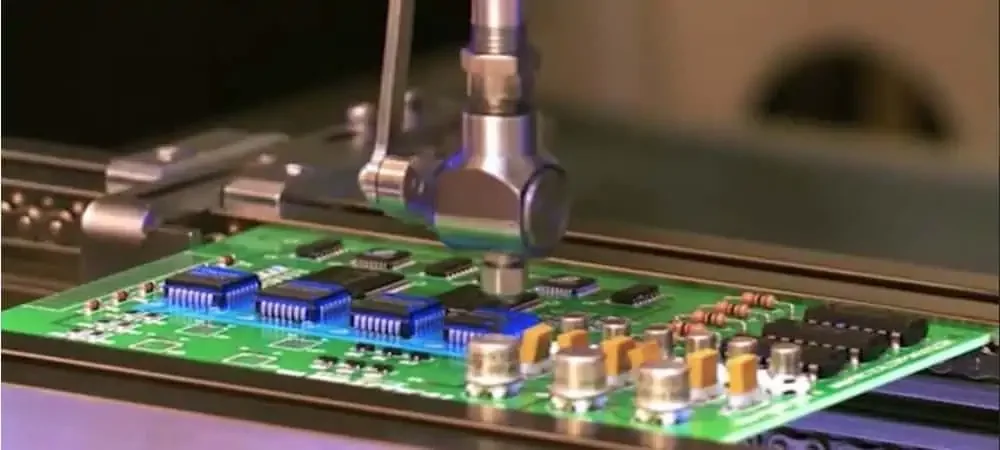
Define verification in terms of the actual property. Coverage, thickness, cure, adhesion and electrical behavior are distinct. A fluorescent appearance can help show where a suitable material is present, but it should not be used as an unqualified substitute for every other requirement. Match the observation and method to the decision being made.
Consider the life of the product after shipment. Repairs, connector access, calibration and mechanical maintenance may disturb protection. Establish an approved route for any required removal and restoration, and keep the material identity traceable. If a change makes maintenance impractical, resolve the product tradeoff rather than leaving the service team an undocumented problem.
For purchasing, include preparation, masking, material handling, application, cure, inspection and repair assumptions in the scope. Material price alone rarely describes the complete operation. Ask which trials and records are included, and keep environmental qualification separate from routine production checks. A useful enquiry allows the manufacturing team to review the real assembly and explain the proposed route with its limits.
Standards, source context and limits
Use each reference for its stated scope. Equipment and material documentation applies to the identified product and conditions. A published study describes its own specimens and methods; its settings are not universal production limits. Public standard summaries and revision tables do not replace the controlled normative document.
Agree the applicable standards, revisions, product class where relevant, measurement methods and exceptions before production. Distinguish printed-board requirements, assembly workmanship, laboratory competence and finished-product certification. A method name or photograph does not establish that a supplier holds an accreditation or that a particular test is included in an order.
Archive photographs illustrate relevant boards, equipment or operations from the existing RAYPCB website. They are not evidence of current equipment ownership or results from your project. Original diagrams explain concepts and measurement boundaries; they are not inspection records or released manufacturing drawings. Confirm the actual service and reporting scope in the project review.