
Rigid-flex engineering
Rigid-Flex PCB Cost: Construction, Panel Use & Quote Scope
Rigid-flex PCB cost is driven by the complete construction: rigid and flex layers, materials, shape, fabrication operations, inspection and the quantity accepted for shipment. Area and total layer count alone are not enough to compare quotes.
The practical decision
Separate one-time preparation, recurring fabrication, agreed tests/records and assembly or logistics scope. Compare suppliers using the same released region map and stackup. A different construction is not a like-for-like quotation.
- Freeze scopeRegions + materials + quantity
- Review driversConstruction + panel + tests
- Compare optionsSame acceptance requirements
- Confirm quoteFiles + commercial terms
Discuss the construction before changing the design
Protect electrical and mechanical requirements first. Identify the detail creating extra operations or difficult handling, then evaluate an alternative. Do not remove flex layers, coverlay or inspection simply to lower an estimate.
| Driver | Potential cost effect | Review question |
|---|---|---|
| Region construction | Multiple stacks require coordinated processing | Can regions share an approved construction? |
| Flex layers/materials | Changes processing, thickness and mechanical behavior | Which layers must cross the flexible region? |
| Outline / panel | Shape, spacing and handling affect usable output | Can the outline change without disturbing motion or fit? |
| Transitions / vias | Complex local details add process and review work | Is every via span and transition necessary? |
| Contacts / finish | Selective operations add constraints | Are contact and soldering needs explicit? |
| Test / records | Verification has a defined preparation and execution cost | Which deliverables are mandatory? |
| Quantity / revision | Preparation may repeat after a change | Can repeat orders use the same released revision? |
Use the stackup submission checklist to define the baseline before comparing alternatives.
Compare the cost boundary before the unit price
Ask what is included, excluded and charged once. Identify whether tooling, fixtures or engineering work are separate. For a revision, ask which preparation assets can be reused.
| Quote line | Same basis to compare | Common mismatch |
|---|---|---|
| Bare boards | Material, region stack, finish and accepted quantity | Total layer count used instead of full construction |
| Preparation | Setup, manufacturing data and dedicated tooling | Setup amortized in one price but separate in another |
| Tests / records | Same inspection and documentation | Certificate compared with measured results |
| Assembly | Components, mounting, fixtures and tests if requested | Bare-board price compared with an assembled product |
| Commercial scope | Currency, validity, shipping/tax and schedule | Different included services |
Example: panel improvement requires a reviewed alternative
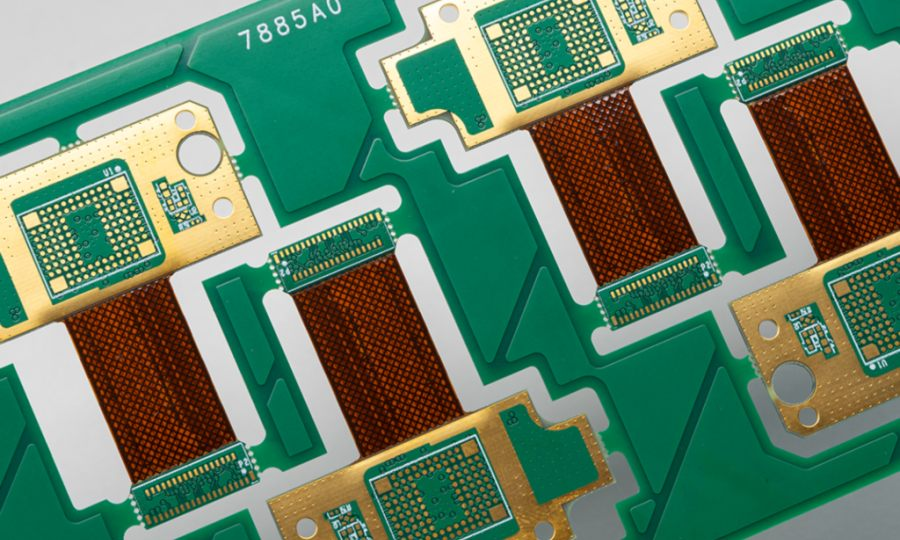
A long flex tail may limit usable panel output. Ask whether an outline adjustment could improve the proposed arrangement while preserving the installed envelope, bend zone and connector access. Request the revised layout and quote. Do not assign a saving percentage before the actual manufacturing arrangement is reviewed. This is an illustrative decision, not a customer project result.
If the assembly must fit a camera module, use the camera rigid-flex cost scope to separate the bare circuit, imaging components and mechanical assembly before comparing quotations.
Use a transparent budget structure
Organize total cost as one-time preparation + recurring fabrication for the required accepted quantity + specified tests/records + separately agreed assembly and logistics. This is a scope model, not a calibrated price formula. The rigid-flex quote page contains the project budget workflow. Released files are needed for exact commercial pricing.
Continue to rigid-flex quote preparation when the requirements are ready.
Working document
Prepare your review checklist
Open the editable text worksheet, save a copy and record the requirement, owner and evidence for each item. Keep unanswered points visible when requesting review.
- Prototype and repeat quantities
- Released region map and stackup
- Flat outline and installed envelope
- Motion and bend requirements to preserve
- Via structures, finishes and selective operations
- Required tests, reports and accepted quantity
- One-time versus recurring lines
- Assembly, shipping/tax and validity scope
- Allowed design alternatives and approver
The Contact page is a separate enquiry step. Attach your completed worksheet and relevant files there using its available submission options; this page does not automatically transfer your answers.
Questions before you release the files
Is rigid-flex always cheaper than connectors and cables?
No universal saving applies. Compare boards, connectors, cables, assembly, enclosure and validation for the actual architecture.
Can dimensions alone produce an exact price?
No. Materials, construction, tolerances, quantity and acceptance scope matter. Send the region stackup and manufacturing package.
Does a larger batch always reduce spending?
It may change unit price, but total quantity, inventory and revision risk also matter. Compare the accepted quantity you need.
Continue with the next engineering task
Once the rigid-flex construction is defined, review the broader PCB manufacturing and production-release scope to align fabrication data, inspection and the supply request.